Guide
CCTV DPIA: how to write one, with a worked example
When a CCTV system needs a data protection impact assessment, the steps the ICO sets out, a worked example of the risks for a business site, and when to consult the ICO.
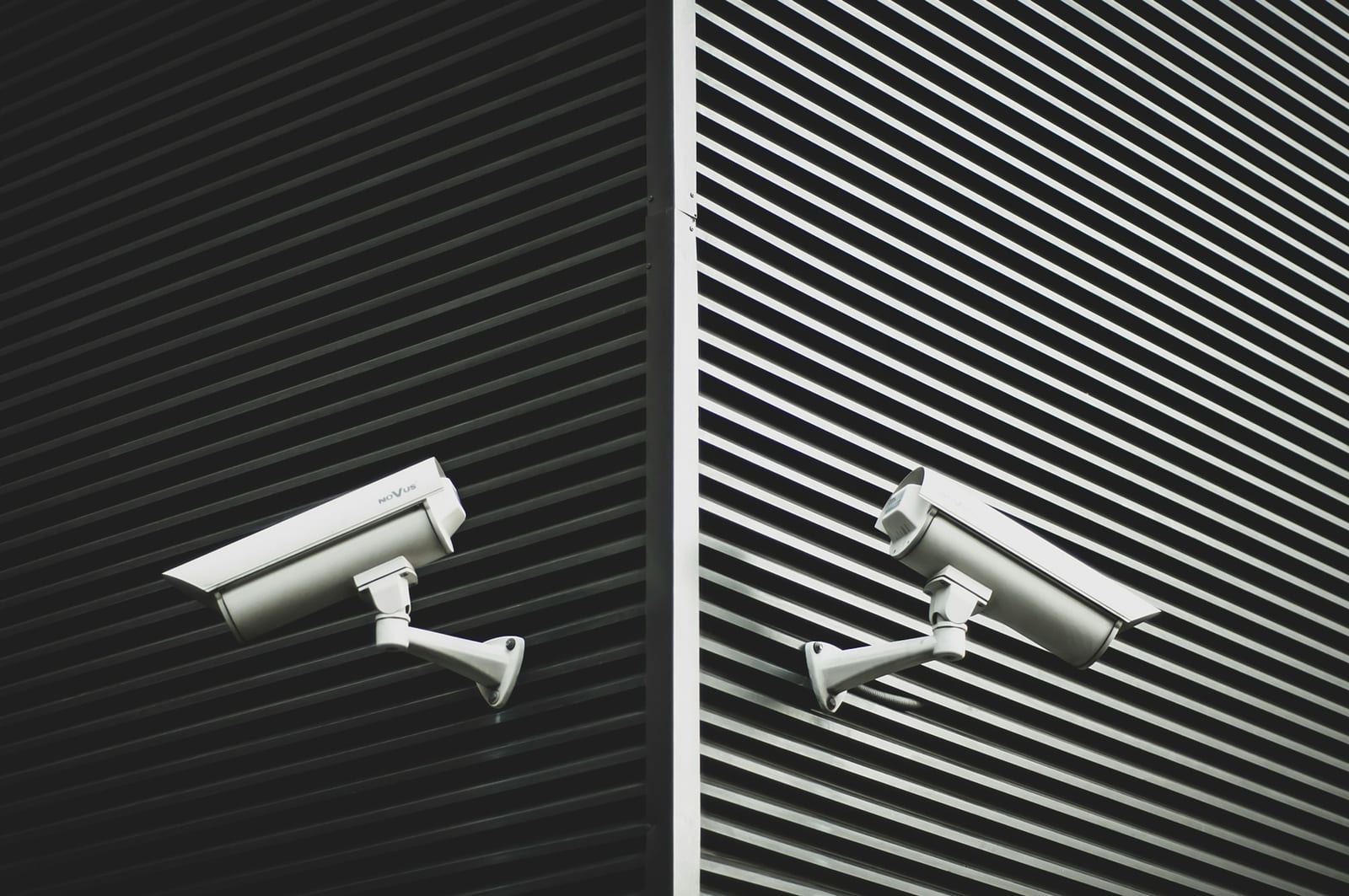
A DPIA (data protection impact assessment) is the document that shows you thought about people’s privacy before the cameras went up. It is also the first thing you will want if a member of staff, a neighbour or the ICO asks why a camera is there.
It does not need to be long. For an ordinary business site, it is a few pages of plain answers. This guide covers when you need one, the steps the ICO sets out and a worked example. It sits alongside our wider guide to CCTV and GDPR. The ICO has said its DPIA guidance is under review following the Data (Use and Access) Act 2025, so check its website for updates.
Do you need a DPIA for CCTV?
UK GDPR requires a DPIA where processing is likely to result in a high risk to people. The ICO’s video surveillance guidance says that this applies in most cases, because of the privacy risks that come with surveillance. It must be done before the cameras go live.
These point towards needing one:
| Factor | Example |
|---|---|
| Large-scale monitoring of a publicly accessible area | Cameras covering a street, a shopping area or a public car park. This always requires a DPIA |
| Systematic monitoring | Cameras recording around the clock |
| Staff being monitored | The ICO notes employees may be vulnerable because of the imbalance of power |
| Children or other vulnerable people | Schools, care settings and surgeries |
| Biometrics or tracking | Facial recognition, or tracking people across a site |
| New or unexpected technology | AI search, analytics or anything people would not expect |
The ICO’s list is more detailed, and says two of the general criteria usually mean a DPIA is needed, though one may be enough. If you decide you do not need one, write down why. If you are in doubt, the ICO strongly recommends doing one.
The steps
The ICO does not require a set format. It offers a suggested template, which you can use or adapt. One DPIA can cover a group of similar cameras or sites, so you do not need a separate document for each building if the risks are the same.
1. Describe the system
- What it does: cameras, recording, who can view footage, how it is stored and secured, and who it is shared with
- Scope: the number of cameras, what each can see, how long footage is kept and the rough number of people captured
- Context: who is filmed, whether they would expect it, and whether any are children or vulnerable
- Purpose: what you are trying to achieve, and the benefit you expect
A camera schedule with a line for each view does most of this. Your installer should be able to supply it, and our guide to choosing a commercial CCTV system shows how to build one.
2. Consult people
Ask the people affected, or their representatives, unless there is a good reason not to. That usually means staff, as the ICO says workforce consultation matters especially during a DPIA. Record what they said. If you go against their views, or do not consult, write down why. Ask your IT or information security lead and any contractors who handle footage too.
3. Check it is necessary and proportionate
This is the heart of the DPIA:
- Do the cameras really achieve the purpose?
- Would something less intrusive do the job? The ICO’s own examples are better lighting and fencing.
- What is your lawful basis? For most businesses, that is legitimate interests.
- How will you stop the system being used for other purposes over time?
- Is the image quality good enough? Poor images that cannot identify anyone may undermine the reason for having the system.
- How will you tell people, and how will they exercise their rights?
4. Identify the risks
Think about the harm to people as well as the risk to your business: physical, emotional or material. Include things such as a “chilling effect” on how people behave, and footage being seen by the wrong person. Assess how likely each one is and how serious it would be. Harm does not have to be inevitable to count as a risk.
5. Decide how to reduce them
For each risk, record the measure, and whether it eliminates, reduces or simply accepts the risk. Typical measures are changing a camera’s view, masking part of the image, shortening retention, limiting who can view footage, and training.
6. Sign it off and act on it
Record who approved the measures and the risk that remains. If you have a data protection officer, get their advice and record it, along with your reasons if you do not follow it. Then assign the actions to named people, so they actually happen. Your organisation stays accountable, even if someone else wrote the document.
7. Keep it under review
The ICO describes a DPIA as a living process. Review it regularly, and repeat it when something substantial changes, such as adding audio, ANPR or a new purpose.
A worked example
This is an illustration only, and your own DPIA should reflect your own site. Imagine a small distribution business with 12 cameras on its yard, gate, loading bay and stock areas, which records staff, drivers and visitors. Its purpose is to prevent theft and support health and safety.
| Risk to people | Likelihood | Severity | Measure | Result |
|---|---|---|---|---|
| A gate camera also films the public footpath | High | Low to medium | Narrow the view and mask the footpath | Reduced |
| Staff feel constantly watched at work | Medium | Medium | No cameras on rest areas; views set on stock and doors; staff consulted; policy explains the purpose | Reduced |
| Footage used for something staff were not told about | Medium | Medium | Policy says whether footage may be used in disciplinary matters; access logged | Reduced |
| Too many people can view footage | Medium | High | Viewing limited to two named managers, each with their own login | Reduced |
| Footage kept longer than needed | Medium | Medium | 30-day automatic overwrite on the recorder, with incident clips kept separately | Reduced |
| Hacking or leaked footage | Low | High | Cameras on a separate network, no direct internet access, default passwords removed | Reduced |
| People do not know they are filmed, or who to ask | Medium | Medium | Signs before the cameras, with contact details; privacy notice | Eliminated |
| Microphones record conversations | Low | High | Audio switched off on every camera, and checked at handover | Eliminated |
In this example, no high risk remains, so the business can go ahead without consulting the ICO. Your own answers will differ, and the document should reflect what you have really decided.
When you must consult the ICO
If a high risk remains after your measures, you must consult the ICO, and you cannot start until you have. The ICO says it will:
- tell you within 10 days whether it has accepted the DPIA for consultation
- give written advice within eight weeks, or up to 14 weeks in complex cases
It can let you go ahead, advise further measures, issue a formal warning, or limit or ban what you plan to do. If you reduce the risk so that it is no longer high, you do not need to consult.
Facial recognition is the sort of system where this is most likely to come up. Some camera platforms include it as a feature. We do not switch it on without a DPIA and an agreed lawful basis.
How your installer can help
A good installer can give you most of the technical facts:
- a schedule of cameras, showing what each can see
- views narrowed or masked where they would take in somewhere they should not
- storage sized to your retention period
- how footage is secured, and how access is logged
- confirmation that audio is off, unless you have decided otherwise
Build the measures into the design stage, while camera positions can still be changed on the drawings.
Planning a system, or checking what an existing one can see? We design commercial CCTV around the purpose you have written down, and supply the technical details for your DPIA. The legal assessment stays yours, and this guide is not legal advice. Talk to us about CCTV.
Frequently asked questions
Is a DPIA legally required for CCTV?
It is required where the processing is likely to result in a high risk to people, and the ICO says that applies to surveillance in most cases. Large-scale systematic monitoring of publicly accessible areas always needs one. If you decide one is not needed, record your reasons.
Does a small business with a few cameras need a DPIA?
Possibly not, but do the screening and keep a record of it. A few cameras inside a small shop are lower risk than a system covering a street or filming staff all day. In doubt, the ICO strongly recommends doing one, and for a small system it can be short.
Can our CCTV installer write the DPIA?
They can help, but it stays your responsibility. An installer can supply camera positions, what each one sees, storage and security details. The decisions on purpose, necessity and risk are yours, and the ICO says you remain accountable even if you outsource the DPIA.
How often should a CCTV DPIA be reviewed?
Regularly, and whenever something substantial changes, such as new cameras, audio, ANPR, facial recognition or a new purpose. The ICO says it should not be a one-off exercise to file away. Checking it once a year, alongside your CCTV policy, is a sensible habit.
Do we have to publish our CCTV DPIA?
No, but the ICO says publishing it is good practice. You can remove sensitive details, such as camera positions and security arrangements, or publish a summary.